
How To Keep Duty Belt From Sagging
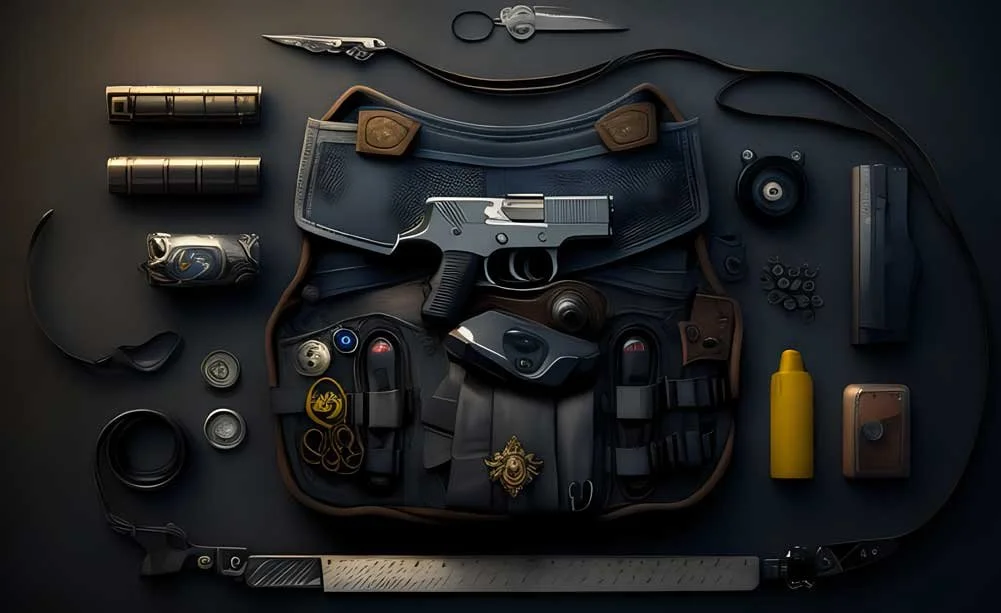
As a law enforcement officer, one of the most important pieces of equipment that you carry is your duty belt.
It holds all of your necessary tools, from your firearm to your handcuffs, and is essential to keeping you safe while on duty.
However, over time, you may find that your duty belt starts to sag, which can be uncomfortable and can even impact your ability to do your job effectively.
In this blog post, we’ll explore some tips and tricks to help you keep your duty belt from sagging.
Short answer: Keeping your duty belt from sagging starts by choosing a sturdy and rigid belt in the first place. From there, be sure to distribute the weight of your items evenly around the belt. Next, consider using belt keepers to help keep your belt in place throughout your day while taking out and reattaching items. If all else fails, consider investing in a good pair of suspenders to help keep your duty belt from sagging.
Related Questions
-
Your duty belt should not be too loose or too tight. It should be snug but not constricting, with enough room for you to move and breathe comfortably.
A properly adjusted duty belt should sit comfortably on your hips and waist, without sliding down or shifting around during movement.
If your duty belt is too loose, it can cause your gear to shift around and contribute to sagging.
If it's too tight, it can be uncomfortable and restrict your movement.
Finding the right balance may take some trial and error, but it's important to take the time to adjust your belt properly for your own comfort and safety.
It's also important to note that everyone's body is different, and what works for one person may not work for another.
Don't be afraid to experiment with different adjustments and seek input from fellow officers and supervisors to find what works best for you.
-
Duty belts are an essential piece of equipment for law enforcement officers, but they can also pose some problems. Some common issues with duty belts include:
Sagging: As discussed earlier, duty belts can sag over time due to uneven weight distribution, overloading, or improper adjustments. This can be uncomfortable and can also impact an officer's ability to do their job effectively.
Discomfort: Duty belts can be heavy and bulky, especially when fully loaded with gear. This can cause discomfort and even pain, particularly in the hips and lower back. Wearing a duty belt for extended periods can also lead to long-term health problems.
Accessibility: While a duty belt is designed to hold all of an officer's necessary tools, it can also make it difficult to access those tools quickly and efficiently. This can be a problem in high-pressure situations where every second counts.
Incompatibility with body armor: Many officers wear body armor while on duty, which can make it difficult to properly adjust and wear a duty belt. Body armor can also contribute to discomfort and restrict movement.
Appearance: While not necessarily a functional problem, some officers may feel self-conscious or uncomfortable wearing a bulky duty belt in public or in non-law enforcement settings.
-
A duty belt is a belt worn by law enforcement officers that holds all of their necessary equipment while on duty.
The specific items that an officer carries on their duty belt can vary depending on their department and job responsibilities, but some common items include:
Firearm: Law enforcement officers typically carry a firearm on their duty belt. The specific type of firearm can vary by department and officer preference, but it is usually a semi-automatic pistol.
Ammunition: Officers carry extra ammunition for their firearm on their duty belt, usually in the form of extra magazines or speed loaders.
Handcuffs: Handcuffs are an essential tool for law enforcement officers and are typically carried on the back of the duty belt for easy access.
Radio: Many departments require officers to carry a two-way radio on their duty belt for communication with other officers and dispatch.
Baton: A baton is a tool used for self-defense and crowd control, and is often carried on the side of the duty belt.
Pepper spray: Pepper spray is another tool used for self-defense and is often carried on the opposite side of the duty belt from the baton.
Taser: A taser is a non-lethal weapon that uses electricity to incapacitate a suspect. Tasers are often carried on the opposite side of the duty belt from the firearm.
Flashlight: A flashlight is an important tool for low-light situations and is often carried on the front of the duty belt for easy access.
Knife: Some officers choose to carry a knife on their duty belt for self-defense or utility purposes.
-
Wearing a duty belt for long periods can cause discomfort and even pain, including in the lower back.
The weight and bulkiness of a fully loaded duty belt can put stress on the hips, pelvis, and lower back, leading to pain and fatigue.
Additionally, the rigid construction of some duty belts can restrict movement and lead to poor posture, further exacerbating back pain.
However, it's important to note that not all officers experience back pain from wearing a duty belt.
The severity of the pain can also vary depending on an officer's body type, fitness level, and the amount of time they spend wearing the belt.
Properly adjusting and distributing the weight of the duty belt can help reduce the risk of back pain and discomfort.
To prevent back pain from a duty belt, officers can take several steps, including:
Regularly stretch and move: Taking breaks to stretch and move around can help prevent stiffness and fatigue in the lower back.
Use a suspenders system: A suspenders system can distribute the weight of the duty belt more evenly across the body, reducing pressure on the lower back.
Adjust the belt properly: A properly adjusted duty belt should sit comfortably on the hips and waist, without sliding down or shifting around during movement.
Reduce the weight of the belt: Officers can consider reducing the weight of their duty belt by only carrying essential items and storing less frequently used items in a bag or backpack.
Stay physically fit: Maintaining good physical fitness can help strengthen the muscles in the lower back, reducing the risk of pain and injury.


Choose the Right Belt
The first step in preventing your duty belt from sagging is to make sure you have the right belt.
There are several types of duty belts available, each with its own set of features and advantages.
Some belts are made of leather, while others are made of nylon or other synthetic materials.
Some have a rigid construction, while others are more flexible.
Make sure to choose a belt that is sturdy enough to hold all of your gear without sagging, but also comfortable enough to wear for extended periods.
Distribute Weight Evenly
One of the main causes of duty belt sag is uneven weight distribution.
When you load up your belt with all of your gear, it’s important to make sure that the weight is evenly distributed around your waist.
This means placing heavier items, like your firearm and extra magazines, towards the back of your belt, and lighter items towards the front.
You can also try to balance the weight by placing items on opposite sides of your body.
Use Belt Keepers
Belt keepers are small straps that attach your duty belt to your pants belt.
They help to distribute the weight of your gear evenly and prevent your duty belt from sagging.
You can find belt keepers in a variety of materials, including leather and nylon, and they come in different widths to fit different belts.
Be sure to use enough belt keepers to keep your duty belt securely in place.
Don’t Overload Your Belt
While it’s important to have all of your necessary gear with you while on duty, it’s also important not to overload your duty belt.
Carrying too much weight can cause your belt to sag and can also be uncomfortable.
Take some time to evaluate the items on your belt and see if there are any that you can do without.
Consider carrying some items in a bag or backpack instead of on your belt.
Adjust Your Belt Properly
Another important step in preventing duty belt sag is to make sure that your belt is properly adjusted.
The belt should be snug but not tight around your waist, with enough room for you to move and breathe comfortably.
If your belt is too loose, it can cause your gear to shift around and contribute to sagging. If it’s too tight, it can be uncomfortable and restrict your movement.
Invest in a Suspender System
If you’ve tried all of the above tips and still find that your duty belt is sagging, you may want to consider investing in a suspender system.
Suspender systems are designed to distribute the weight of your gear evenly across your body, taking pressure off your hips and waist.
They can be worn underneath your uniform shirt or over it, depending on your preference.
Maintain Your Belt
Finally, it’s important to properly maintain your duty belt to keep it in good condition and prevent sagging.
Regularly inspect your belt for signs of wear and tear, and replace any damaged or worn-out parts as needed.
Clean your belt regularly to remove dirt and sweat, which can weaken the material and cause it to sag.
Conclusion
Your duty belt is an essential piece of equipment that keeps you safe and prepared while on duty.
Keeping it from sagging can be a challenge, but with the right tools and techniques, it’s possible to maintain a secure and comfortable fit.
By following these tips and taking the time to evaluate your gear and adjust your belt, you can prevent sagging and improve your performance on the job.
Remember, everyone’s body is different, and what works for one person may not work for another.
Don’t be afraid to experiment with different belts, suspender systems, and weight distributions to find what works best for you. Talk to your fellow officers and supervisors to get their input and learn from their experiences.
Recent Questions:





Inside the Investigation: A Deeper Dive into Police Detective Benefits