
Is Garbage on the Curb Public Property?

The age-old debate on whether garbage on the curb is public property has been a hot topic among urban dwellers, scavengers, environmentalists, and legal experts.
The question has implications for privacy, property rights, and the ethical dimensions of our waste disposal practices.
This blog post delves into the legal and ethical complexities of this issue, exploring various perspectives and case laws to shed light on the matter.
Short answer:
Yes, garbage on the curb is public property, even if it is in a trash bag or garbage can. The Supreme Court has ruled that there is no 4th amendment protection or reasonable expectation of privacy of your trash once it is out on the curb for pick up.
Likewise, once your recycling bin is out on the curb, anyone can pick out cans and bottles to recycle for a refund.
Related Questions
-
One reason could be for identity theft or fraud.
Personal information such as credit card statements, bank statements, or other documents with personal information could potentially be found in your garbage.
Thieves might steal your garbage to obtain these documents and use your personal information to commit identity theft or fraud.
Another reason someone might steal your garbage is to collect items that they can reuse or sell.
For example, they may be looking for items such as furniture, electronics, or clothing that are still in good condition and can be reused or sold for a profit.
Lastly, some people may simply be looking for items that they can recycle.
They may take items such as aluminum cans or plastic bottles that can be redeemed for cash at recycling centers.
-
It depends on the local laws and regulations. Some cities and municipalities have ordinances that prohibit people from taking items left at the curb.
However, in many places, it is legal to take items that have been discarded, as long as they are not considered hazardous waste or other prohibited items.
-
Garbage is typically taken to a landfill or waste processing facility for disposal or recycling.


Background
The concept of garbage on the curb being public property stems from the idea that once an individual discards something, they relinquish ownership and control over it.
In urban settings, this notion is typically linked to the practice of placing trash on the curb for pickup by waste management services.
As a result, garbage left on the curb is often perceived as being abandoned and therefore available for others to pick through, repurpose, or recycle.
Legal Standpoint
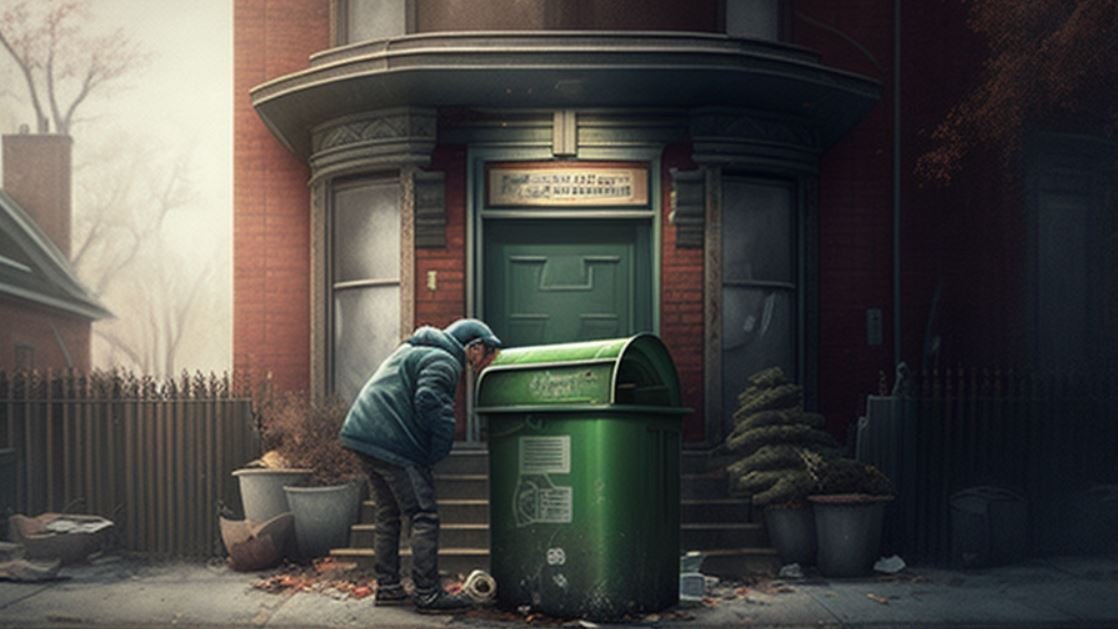
The legal perspective on this issue varies depending on the jurisdiction. In the United States, the landmark case California v. Greenwood (1988) established that individuals do not have a reasonable expectation of privacy for the trash they place on the curb for collection.
In this case, the Supreme Court ruled that law enforcement could search through trash without a warrant, as it is considered abandoned property.
However, this ruling does not necessarily establish that garbage on the curb is public property.
In some localities, specific laws or ordinances prohibit individuals from scavenging or collecting items from another person's trash.
Such laws aim to protect privacy and deter potential identity theft or other criminal activities. On the other hand, some jurisdictions allow or even encourage the practice of "curb shopping," as it promotes recycling and waste reduction.
In other countries, the legal stance on this issue may differ significantly. For instance, in Germany, garbage is considered the property of the waste disposal company once it is placed on the curb.
This means that scavenging or taking items from the trash is technically theft. It's essential to familiarize oneself with local laws and regulations before assuming that garbage on the curb is public property.
Ethical Considerations

While the legal standpoint on this matter can vary, ethical considerations also come into play.
The practice of searching through someone else's garbage can raise concerns about privacy and personal boundaries.
In an era where identity theft is a genuine concern, rifling through someone's trash might lead to the unauthorized acquisition of sensitive information.
However, proponents of the "curb shopping" or "dumpster diving" movement argue that salvaging discarded items is a sustainable and environmentally conscious practice.
Many useful items are thrown away daily, contributing to our ever-growing landfills and the depletion of natural resources. By reusing or repurposing these items, we can reduce waste and promote a circular economy.
Additionally, in situations where individuals purposefully leave items on the curb for others to take, the ethical implications of picking up discarded items are less complicated.
In this scenario, the person discarding the items has given their implicit consent for others to take and use them.
Balancing Legal and Ethical Perspectives

Given the complex legal and ethical dimensions of this issue, it is crucial to strike a balance between respecting property rights and privacy while promoting sustainability and waste reduction.
Here are some guidelines to consider when navigating the world of curbside garbage:
Familiarize yourself with local laws: Before engaging in any scavenging or curb shopping activities, research the laws and regulations in your area. This will help you avoid potential legal trouble and ensure you are acting within the boundaries of the law.
Be respectful of privacy: If you choose to search through someone else's garbage, do so with discretion and respect for their privacy. Do not make a mess of the area.
Practice good hygiene: Scavenging through garbage can pose health risks, so always wear gloves and wash your hands thoroughly afterward. Additionally, ensure that any items you acquire are cleaned and sanitized before use.
Be selective: Not everything found in curbside garbage is worth taking or repurposing. Focus on items that can be easily cleaned, repaired, or repurposed to minimize potential health risks and avoid contributing to clutter.
Encourage community initiatives: Engage with your local community to promote initiatives that encourage responsible waste disposal, recycling, and repurposing. Organize or participate in community swap events, garage sales, or donation drives to help reduce waste and promote sustainable living.
Educate others: Share your knowledge and experiences with friends, family, and neighbors to raise awareness about waste reduction and the benefits of repurposing discarded items. Encouraging responsible waste management practices can help create a more sustainable society.
Conclusion
The question of whether garbage on the curb is public property is multifaceted, with legal and ethical implications that may vary depending on jurisdiction and individual circumstances.
While the practice of scavenging through discarded items can be an environmentally friendly way to reduce waste, it is crucial to be aware of local laws and respect the privacy and property rights of others.
Ultimately, striking a balance between sustainability and privacy requires both individual and collective efforts.
By familiarizing oneself with local laws, respecting the privacy of others, and promoting community initiatives, we can work together to build a more sustainable and responsible society that values both the environment and personal boundaries.
Recent Questions:





Inside the Investigation: A Deeper Dive into Police Detective Benefits