
What Happens if Police Find Drugs in Your Car?
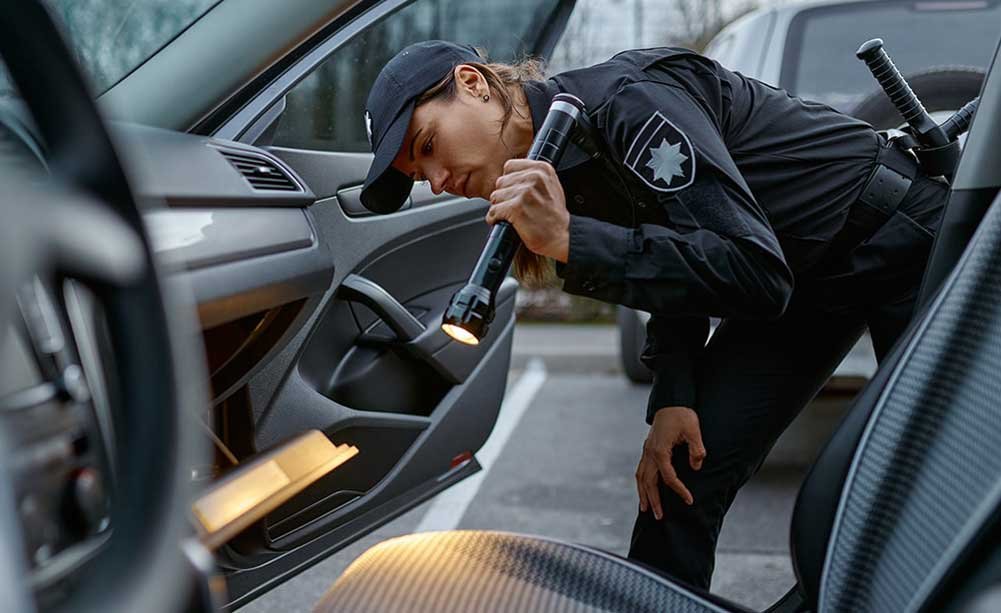
If police find drugs in your car, they will typically take the following steps:
Arrest You
If police find drugs in your car, they will typically arrest you on drug possession charges. You will be taken to the police station and booked, which involves taking your fingerprints and photograph, and recording your personal information.
Search Your Car Further
Once you have been arrested, police may conduct a more thorough search of your car to look for additional evidence, such as drug paraphernalia or other drugs. If they find more drugs or evidence of drug use or distribution, you may face additional charges.
Charge You with Drug Possession
After the police have completed their investigation, they will likely charge you with drug possession. The specific charge you face will depend on the type and amount of drugs found, as well as your criminal history.
Hold You in Custody
After you have been charged, you may be held in custody until your trial. This can be a stressful and difficult time, as you may have to remain in jail until your trial date, which can take several months.
Attend Court Hearings
Once your trial date arrives, you will need to attend court hearings to determine your guilt or innocence. You will have the opportunity to present evidence and argue your case, and the prosecution will do the same. If you are found guilty, you will be sentenced to a punishment, which may include fines, probation, or imprisonment.
In this blog post, we will discuss what happens if the police find drugs in your car, including:
Related Questions
-
If drugs are found in your car, the responsibility for those drugs can be a complex legal issue and will depend on a number of factors. In general, the person who is in control of the car is usually held responsible for any illegal drugs found in the car.
Here are some scenarios where different people could be held responsible for drugs found in a car:
You Own the Car
If you own the car and you were driving it when the drugs were found, you will likely be held responsible for the drugs.
It is important to note that if someone else was driving the car and you knew that they had drugs in the car, you could also be held responsible for the drugs.
You Are a Passenger in the Car
If you are a passenger in the car and drugs are found, you could be held responsible for the drugs if they are found in your possession.
However, if the drugs are found in another passenger's possession, they will likely be held responsible.
Someone Else Borrowed Your Car
If someone else borrowed your car and drugs are found in the car, they will likely be held responsible for the drugs.
However, if you knew that they had drugs in the car when you lent it to them, you could also be held responsible.
You Rented the Car
If you rented the car and drugs are found in the car, you could be held responsible for the drugs if they are found in your possession.
However, if the drugs are found in another person's possession, they will likely be held responsible.
It's important to note that even if you are not found to be in possession of the drugs, you could still be charged with drug possession if the prosecution can prove that you had knowledge of the drugs and the ability to exercise control over them. This is known as "constructive possession."
-
In some cases, police can seize your car if they find drugs in it.
This is known as asset forfeiture, and it is a legal process where law enforcement can take property, including vehicles, that they believe were used in connection with a crime.
The specific laws and procedures for asset forfeiture vary depending on the jurisdiction.
In some cases, police may need to obtain a warrant or a court order before seizing your car. In other cases, they may be able to seize your car without a warrant if they have probable cause to believe that the car was used to transport drugs.
Once your car is seized, you may have the opportunity to challenge the seizure in court.
This may involve arguing that the seizure was illegal or that you were not involved in any drug-related activity.
If you are successful, you may be able to get your car back.
However, asset forfeiture laws can be complex, and it is important to speak to an attorney if your car has been seized.
It's worth noting that even if your car is not seized, the fact that drugs were found in it could still have legal consequences, such as a drug possession charge.
-
If drugs are found in your car but they are not yours, it is still possible that you could be charged with drug possession.
However, the prosecution would need to prove that you had knowledge of the drugs and the ability to exercise control over them in order to secure a conviction.
Here are some possible scenarios where drugs could be found in your car but they are not yours:
Someone Else Borrowed Your Car
If someone else borrowed your car and left drugs in it, you could potentially argue that you had no knowledge of the drugs and should not be held responsible.
You may need to provide evidence to support your claim, such as testimony from the person who borrowed your car.
You Rented the Car
If you rented the car and drugs were found in it, you could potentially argue that you had no knowledge of the drugs and should not be held responsible.
You may need to provide evidence to support your claim, such as a rental agreement or testimony from the rental car company.
You Are a Passenger in the Car
If you are a passenger in the car and drugs are found, you could potentially argue that you had no knowledge of the drugs and should not be held responsible.
However, if the drugs are found in your possession, you may need to provide evidence to support your claim that they were not yours.
It is worth noting that if drugs are found in your car and you claim that they are not yours, the burden of proof is on the prosecution to show that you had knowledge of the drugs and the ability to control them.
If they cannot prove this, you may be able to avoid a drug possession conviction.
The Legal Process

If the police find drugs in your car, they will likely arrest you and take you into custody. Depending on the circumstances, they may also seize the vehicle and any other evidence related to the drugs.
Once you are in custody, the police will question you about the drugs and any other relevant information. It is important to remember that you have the right to remain silent and to speak with an attorney before answering any questions.
If the police have probable cause to believe that you were involved in a drug crime, they may charge you with a criminal offense. The specific charges you face will depend on the type and quantity of drugs found in your car, as well as any other relevant circumstances.
Drug Possession Laws
Drug possession is a serious criminal offense in most jurisdictions around the world.
The specific laws governing drug possession vary depending on the country, state or province, and city you are in.
In general, the severity of the punishment for drug possession depends on factors such as the type and amount of drugs found, the intent of the possessor, and their criminal history.
In many cases, the mere possession of illegal drugs is enough to warrant a drug possession charge, regardless of whether the person was actually using the drugs or had any intention of using them.
In other cases, police may need to prove that the person was in possession of the drugs with the intent to use or sell them in order to secure a drug possession conviction.
Search and Seizure Laws
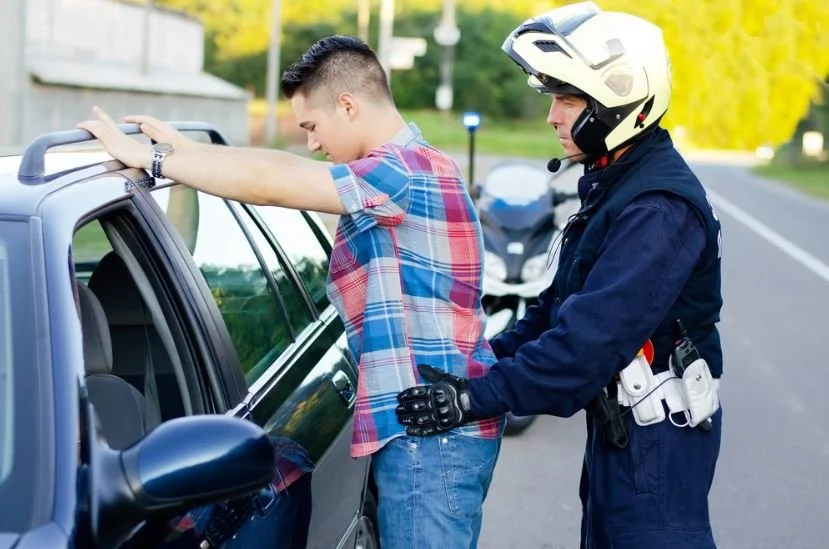
To understand what happens if the police find drugs in your car, it is important to first understand search and seizure laws.
These laws govern when and how police can search your car or person, as well as what they can seize (i.e., take away) as evidence.
In most cases, police need to have a warrant or probable cause to search your car.
However, there are some exceptions to this rule.
For example, if you consent to a search, police may be able to search your car without a warrant.
Additionally, if police have reason to believe that there is an immediate threat to public safety or that evidence may be destroyed if they wait to get a warrant, they may be able to conduct a search without a warrant.
If police find drugs during a search of your car, they will typically seize them as evidence. The drugs will be sent to a crime lab for testing, and if they are found to be illegal drugs, you may be charged with drug possession.
The Potential Consequences
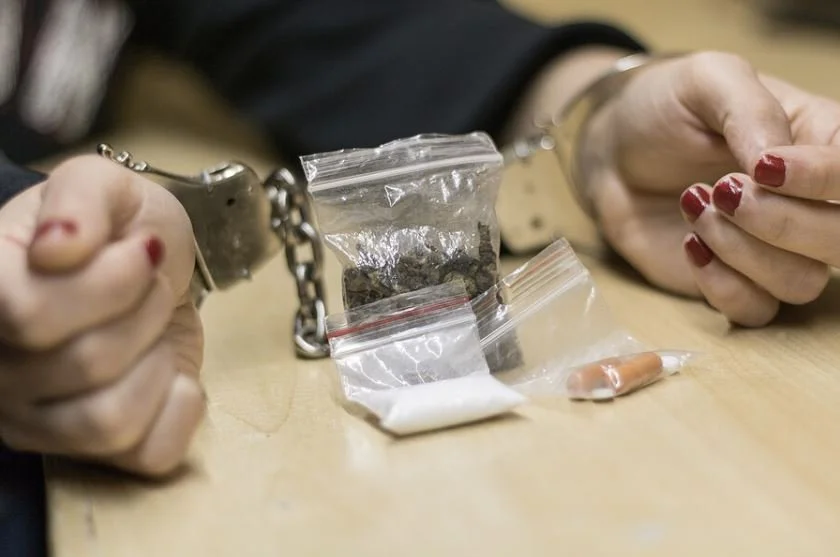
The consequences of being charged with a drug crime can be serious and far-reaching. Depending on the circumstances, you could face fines, jail time, and other penalties, including:
Fines: If you are convicted of a drug crime, you could face fines, which can be substantial, depending on the circumstances.
Probation: You may be placed on probation for a period of time following your conviction. This may involve regular check-ins with a probation officer, drug testing, and restrictions on your activities.
Criminal charges: If you are charged with a drug crime, you will likely face criminal charges, which can result in fines, jail time, and other penalties. The specific charges you face will depend on the type and quantity of drugs found in your car, as well as any other relevant circumstances.
Jail time: Depending on the circumstances, you could face jail time if you are convicted of a drug crime. The length of the sentence will depend on the specific charges and any other relevant circumstances.
Loss of driving privileges: If you are convicted of a drug crime, you could lose your driving privileges, which can have a significant impact on your daily life.
Criminal record: A drug conviction will result in a criminal record, which can have a negative impact on your ability to find employment, housing, and other opportunities in the future.
Your Rights

If the police find drugs in your car, it is important to understand your rights and to take steps to protect them. Some of the rights you have in this situation include:
The right to remain silent: You have the right to remain silent and to not answer any questions without a lawyer present. This can help to protect you from self-incrimination and to ensure that your rights are protected.
The right to an attorney: You have the right to speak with an attorney before answering any questions or making any statements to the police. An attorney can help to protect your rights and to ensure that you are not subjected to self-incrimination.
The right to a fair trial: You have the right to a fair trial, which includes the right to a neutral judge, an impartial jury, and the right to present evidence in your defense.
The right to appeal: If you are convicted of a drug crime, you have the right to appeal the decision, which can provide you with an opportunity to have the case reviewed by a higher court.
Defenses Against Drug Possession Charges

If you are facing drug possession charges, there are several defenses that you may be able to use to fight the charges. These include:
Unlawful Search and Seizure
If the police conducted an illegal search of your car, any evidence they found during the search may be inadmissible in court. This defense can be difficult to prove, but if successful, it can result in the charges being dropped.
Lack of Possession
If you were not actually in possession of the drugs found in your car, you may be able to argue that you should not be charged with drug possession. For example, if you were driving a friend's car and the drugs belonged to your friend, you may be able to argue that you did not know the drugs were in the car and were not in possession of them.
Lack of Knowledge
If you did not know that the drugs were in your car, you may be able to argue that you should not be charged with drug possession. This defense can be difficult to prove, but if successful, it can result in the charges being dropped.
Entrapment
If police coerced you into possessing drugs, you may be able to use the defense of entrapment. This defense is difficult to prove, but if successful, it can result in the charges being dropped.
Recent Questions:





Inside the Investigation: A Deeper Dive into Police Detective Benefits