
What Happens When You File A Police Report for Vandalism?
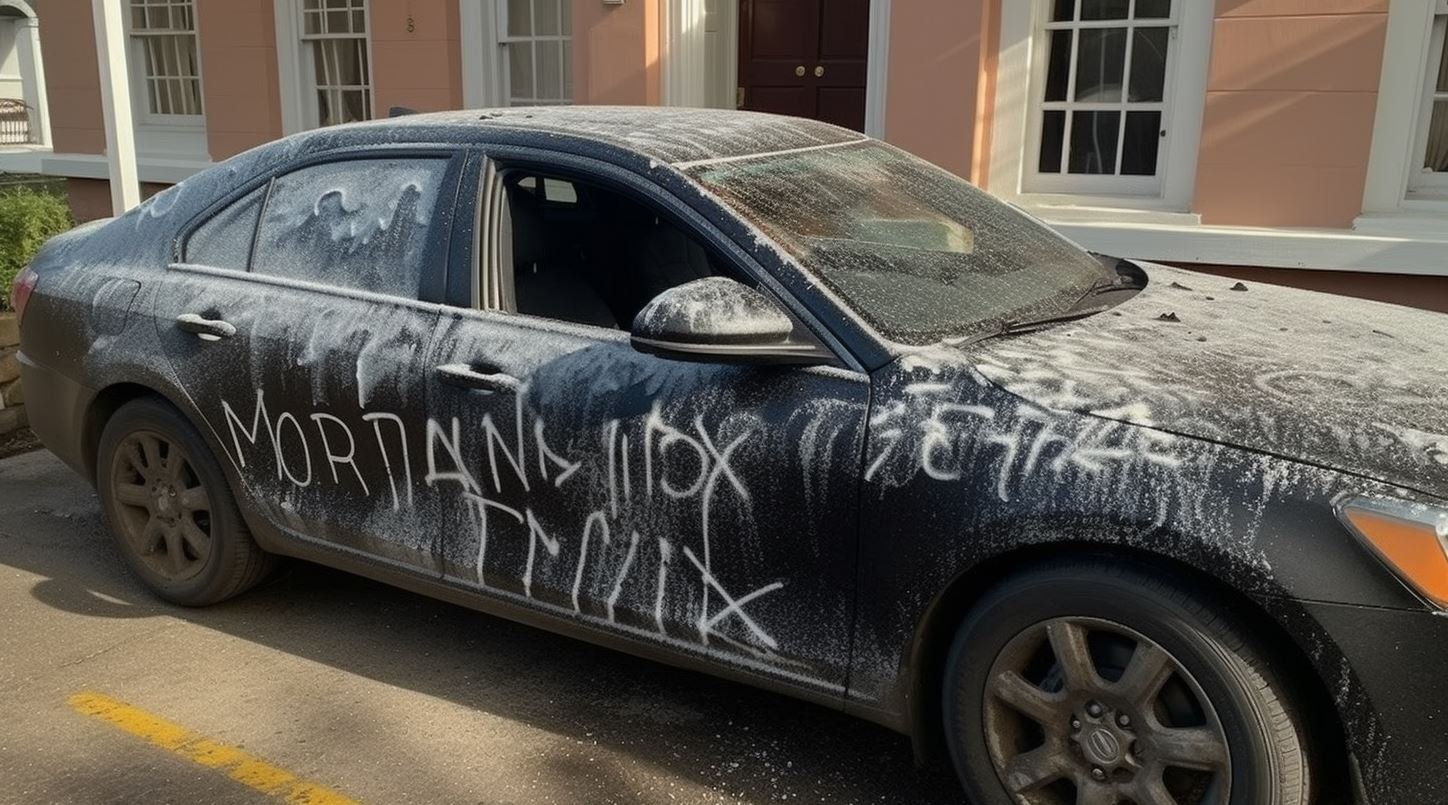
From Graffiti to Justice: Navigating the Vandalism Reporting Maze
Vandalism, a property crime that encompasses the intentional defacement or destruction of another person's property, is a concern for many.
Whether it's graffiti on a wall, a slashed tire, or broken windows, the damage can be emotional as well as financial.
If you've been a victim of vandalism, you might wonder about the ins and outs of filing a police report.
In this ultimate guide, we'll dive deep into what happens when you file that report and what you can expect in the process.





Short Answer:
Q: What happens when you file a police report for vandalism?
A: The steps below follow the typical series of events after filing a police report for vandalism:
Why File? It helps with insurance claims, offers legal protection, and aids community safety.
Immediate Steps: Ensure safety, document the damage with photos, and report to local law enforcement.
Post-Report: Police may investigate, update you on the case, and potentially arrest the vandal. If found guilty, the vandal may have to compensate for damages.
Insurance: Contact your provider, share the police report and photos, and they'll assess damage for compensation.
Prevention: Consider surveillance cameras, community watch programs, and improved lighting for deterrence.
Remember: Document thoroughly and work closely with police and insurance for best results.
Related Questions
-
Filing a police report provides an official record of the incident. It's essential for insurance claims, legal protection, and helps police monitor and prevent criminal activity in the community.
-
Yes, even if you didn't witness the vandalism, documenting and reporting it can help law enforcement track patterns and may aid in identifying the culprit later.
-
Some jurisdictions allow online reporting for non-violent crimes like vandalism. Check with your local police department's website or call their non-emergency line for guidance.
-
Before cleaning or repairing, take clear photos or videos of the damage from various angles. If there are any potential witnesses, their statements can be beneficial too.
-
The duration varies depending on the case's complexity, available evidence, and the police department's resources. Some investigations might conclude quickly, while others could take longer.
-
Even if the vandal isn't immediately identified, having a police report can still help with insurance claims and offers a record if the perpetrator is identified later.
-
Not necessarily. Vandalism is typically considered a "no-fault" claim since you weren't responsible for the damage. However, rates might change based on other factors, such as the frequency of claims or the overall risk profile of an area.
-
Yes, if the vandal is identified and caught, you may have the option to pursue civil litigation for damages, especially if the restitution is not fully covered by other means.
Why File a Police Report?
Before delving into the procedural aspects, it's important to understand why filing a report is essential:
Evidence for Insurance Claims: Many insurance companies require a police report to process a claim related to vandalism. It provides an official record that the incident occurred.
Legal Protection: Having a report on file can serve as evidence if you need to pursue legal action against the perpetrator.
Community Safety: Reporting vandalism helps police track patterns of criminal activity, potentially preventing future incidents.
Steps to File a Police Report for Vandalism
Assess Safety: Before anything else, ensure that you're safe. If the vandal is nearby or if there's an immediate threat, call the emergency line in your country (e.g., 911 in the U.S.).
Document the Scene: Before cleaning up, take clear photos or videos of the damage. Capture different angles and close-ups to provide a comprehensive view of the vandalism.
Report to Local Law Enforcement: Head to your local police station or call their non-emergency line to report the vandalism. Some jurisdictions also offer online reporting for non-violent crimes.
Provide a Statement: Describe the incident in detail. This includes the time you noticed the vandalism, any potential witnesses, and any suspicion you might have about who did it.
Get a Copy: Always request a copy of the police report for your records. This will be vital for insurance claims and any potential legal proceedings.
After the Report: What Happens Next?
Investigation: Depending on the severity and circumstances, the police might launch an investigation. This could involve interviewing witnesses, checking nearby surveillance cameras, and gathering evidence.
Updates: Some police departments provide victims with updates on their case, while others might require you to reach out for information.
Potential Arrest: If the vandal is identified and there's enough evidence, the police may arrest and charge them.
Restitution: If the vandal is caught and found guilty, they might be ordered by the court to compensate you for the damages they caused.
Working with Insurance Companies
If you have property or auto insurance that covers vandalism, you'll want to:
Contact Your Insurance Provider: Report the incident as soon as possible.
Provide Documentation: This includes the police report, photos, and any other evidence you've collected.
Adjuster Evaluation: The insurance company might send an adjuster to evaluate the damage and determine the compensation amount.
Repair and Compensation: Once your claim is approved, you can proceed with repairs. Depending on your policy, the insurance might cover the full or partial cost of the damages.
Prevention and Community Engagement
While not directly related to the report, it's beneficial to understand preventive measures:
Install Surveillance Cameras: These can deter potential vandals and provide evidence if vandalism occurs.
Community Watch Programs: Engage with neighbors to create a local watch program. There's strength in numbers.
Lighting: Well-lit areas can deter vandals who often prefer to operate under the cover of darkness.
In Conclusion
Filing a police report for vandalism might seem like a daunting task, but it's a crucial step in seeking justice and ensuring the safety of your property and community. Remember to stay calm, document thoroughly, and collaborate with both law enforcement and insurance companies for the best outcome.
Recent Questions:


Inside the Investigation: A Deeper Dive into Police Detective Benefits